Hi! I am a robotics researcher at NVIDIA on the Isaac Loco-Manipulation team, working on RL post-training of robot foundation models. I completed my PhD at the University of Southern California, where I worked with Jesse Thomason on building and evaluating language-guided robots.
I have previously worked on mobility foundation models at NVIDIA, assistive robotics for mobility limitations at Cornell with Tapo Bhattacharjee, and human-robot interaction at UT Austin with Justin Hart and Peter Stone. I also spent time at Sandia National Labs with James Aimone and Craig Vineyard.
News
Nov 2026
I am helping organize the Workshop on Structured Physical Intelligence (SPIN) and the Video-to-Data (V2D) tutorial and challenge at CoRL 2026 in Austin. Come say hi!
Oct 2026
I am co-organizing the Human–Robot Dialogue workshop at IROS 2026.
Aug 2026
DiPS won best paper at SIGDIAL 2026!
July 2026
Our work on mechanistic finetuning of vision-language-action models was accepted as an oral presentation at ECCV 2026!
May 2026
I defended my PhD! My thesis was on Language-Guided Robot Learning and Evaluation.
Aug 2025
My efficient robot evaluation work and ReWiND were accepted to CoRL 2025! See you in Seoul!
May 2025
I am interning at NVIDIA again with the Isaac Mobility foundation models team!
Older news
Oct 2024
Gave a talk at the NVIDIA Jetson AI Lab on ReMEmbR
Sept 2024
My paper on contrast sets for language-guided robot evaluation got accepted to CoRL 2024. See you in Munich!
June 2024
I'll be presenting my paper on the role of context in multi-view language grounding at NAACL 2024 in Mexico City!
May 2024
Started my internship at NVIDIA working on foundation models for autonomous mobile robots with Prof. Joydeep Biswas and Dr. Yan Chang
Mar 2024
Glad to have helped Rajat and his team on robot-assisted inside-mouth bite transfer. Our work was nominated for best systems paper at HRI 2024!
Nov 2023
My work on efficient robot evaluation was accepted as an oral presentation at the CoRL 2023 LangRob Workshop!
Feb 2023
I was awarded a $100k fellowship as a Horatio Alger Graduate Scholar.
Dec 2022
I will be presenting my work on Human-Robot Commensality at CoRL 2022!
July 2022
My work on social bite timing was featured on the New Scientist!
May 2022
I will be a Visiting Scholar at Cornell University with Tapo Bhattacharjee to work on robot-assisted dining in social settings
June 2021
I will be presenting our work on gaze for social navigation at ICRA 2021
May 2021
I defended my honors thesis on deep reinforcement learning for mesh refinement and finally graduated from UT Austin
May 2021
I will be working with Tapo Bhattacharjee from Cornell this summer thanks to the Google exploreCSR program
May 2021
I will be joining the University of Southern California for my PhD to work on HRI and language grounding with Jesse Thomason
Jan 2021
I attended the AAAI-21 Undergraduate Consortium, and met so many wonderful people while presenting my research on spiking weight-agnostic neural networks
Jan 2021
I will be participating in Google Research's CS Research Mentorship program
July 2020
I (virtually) attended my first conference, ICONS, and presented a poster on spiking neural networks
Research
2026
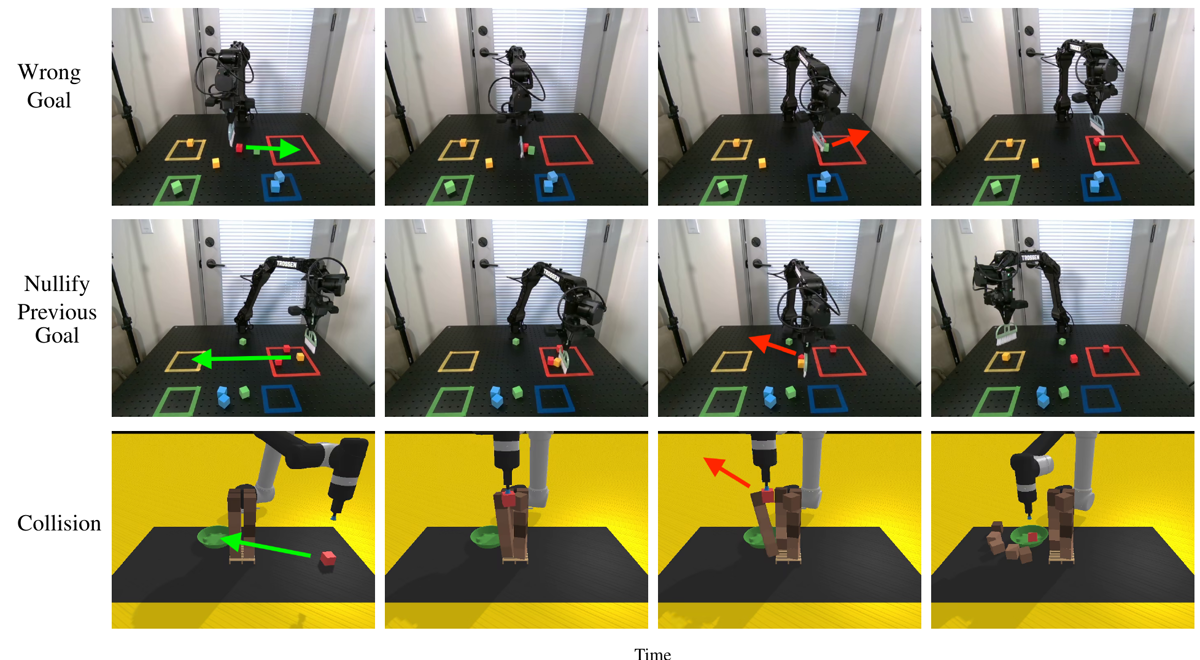
Anticipating Unintended Robot Behaviors with Side Effect Critics
Ryan Lindeborg*, Richard Peng*, Ayush Jain, Jesse Zhang, Abrar Anwar, Jesse Thomason
We introduce the concept of Side Effect Critics to anticipate and mitigate unintended robot behaviors when deploying learned policies in real-world environments.
Workshop on Rethinking What It Means to be "Safe" for Generalist Robots, 2026 (Spotlight)
Mechanistic Finetuning of Vision-Language-Action Models via Few-Shot Demonstrations
Chancharik Mitra*, Yusen Luo*, Raj Saravanan*, Dantong Niu, Anirudh Pai, Jesse Thomason, Trevor Darrell, Abrar Anwar, Deva Ramanan, Roei Herzig
Robotic Steering is a mechanistic, few-shot finetuning approach for vision-language-action models that selectively adapts task-specific attention heads, achieving more robust, efficient, and interpretable robot learning than LoRA across diverse tasks.
ECCV 2026 (Oral Presentation)
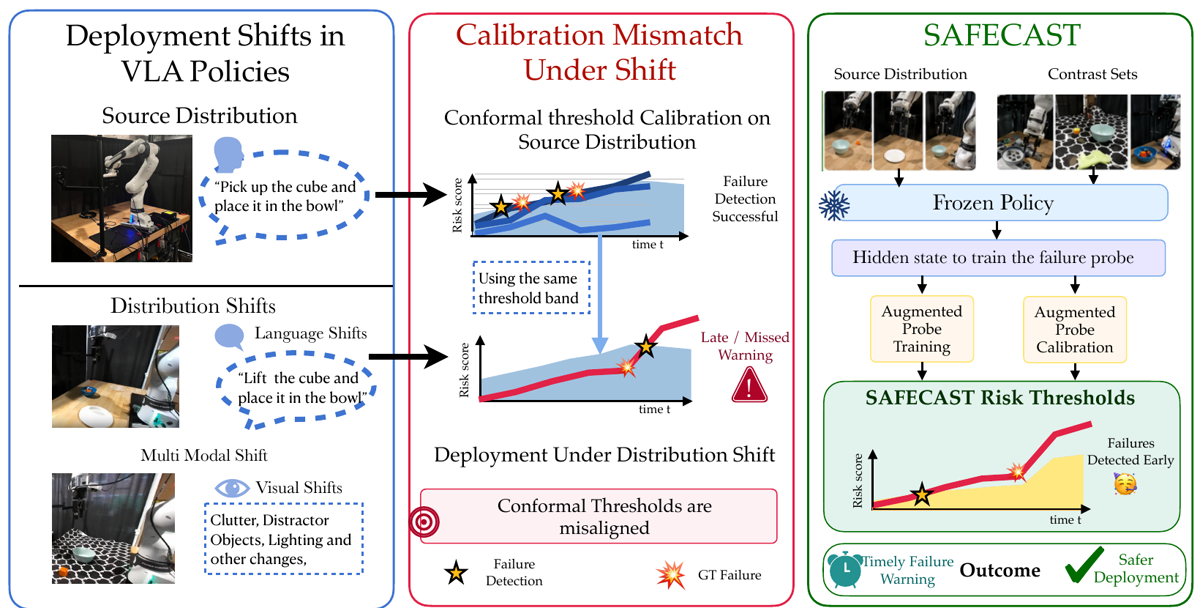
SAFECAST: Robust Failure Detection for VLA Policies with Contrast-Set Training and Calibration
Harshitha Rajaprakash, Aditeya Prajapati, Rong Xue, Abrar Anwar, Jesse Thomason
VLA policies fail under deployment-time shifts like clutter, lighting changes, and reworded instructions. SAFECAST uses contrast set perturbations to train and calibrate hidden-state risk probes, improving failure detection ROC-AUC over state-of-the-art baselines on both real-world DROID and LIBERO simulation.
In Submission
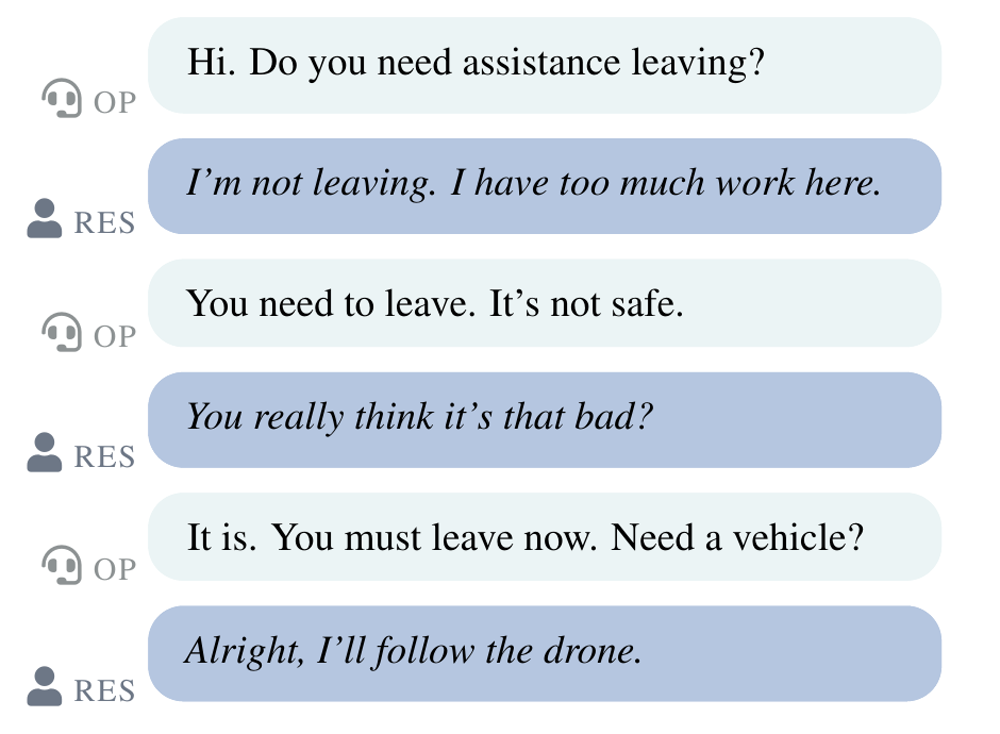
DiPS: Dialogue Policy Selection for High-Stakes Persuasion Agents
Tianyi Zhang, Mousumi Das, Abrar Anwar, Jesse Thomason, David Traum
DiPS is a Q-learning framework that dynamically selects persuasion strategies based on the evolving conversational context. In a fire-rescue evacuation scenario, DiPS achieves higher persuasion success than zero-shot LLM and RAG-augmented approaches in both simulated and real human interactions.
SIGDIAL 2026 (Best paper award)
Robometer: Scaling General-Purpose Robotic Reward Models via Trajectory Comparisons
Anthony Liang*, Yigit Korkmaz*, Jiahui Zhang, Minyoung Hwang, Abrar Anwar, Sidhant Kaushik, Aditya Shah, Alex S. Huang, Luke Zettlemoyer, Dieter Fox, Yu Xiang, Anqi Li, Andreea Bobu, Abhishek Gupta, Stephen Tu, Erdem Biyik, Jesse Zhang
Robometer is a general-purpose, video-language-input dense reward model trained on RBM-1M, a dataset of over 1M trajectories spanning 21 robot embodiments. It improves robot learning across online RL, offline RL, model-based RL, failure detection, and data retrieval for imitation learning.
RSS 2026
RL4IL Workshop @ ICRA 2026 (Oral Presentation)
RL4IL Workshop @ ICRA 2026 (Oral Presentation)
2025
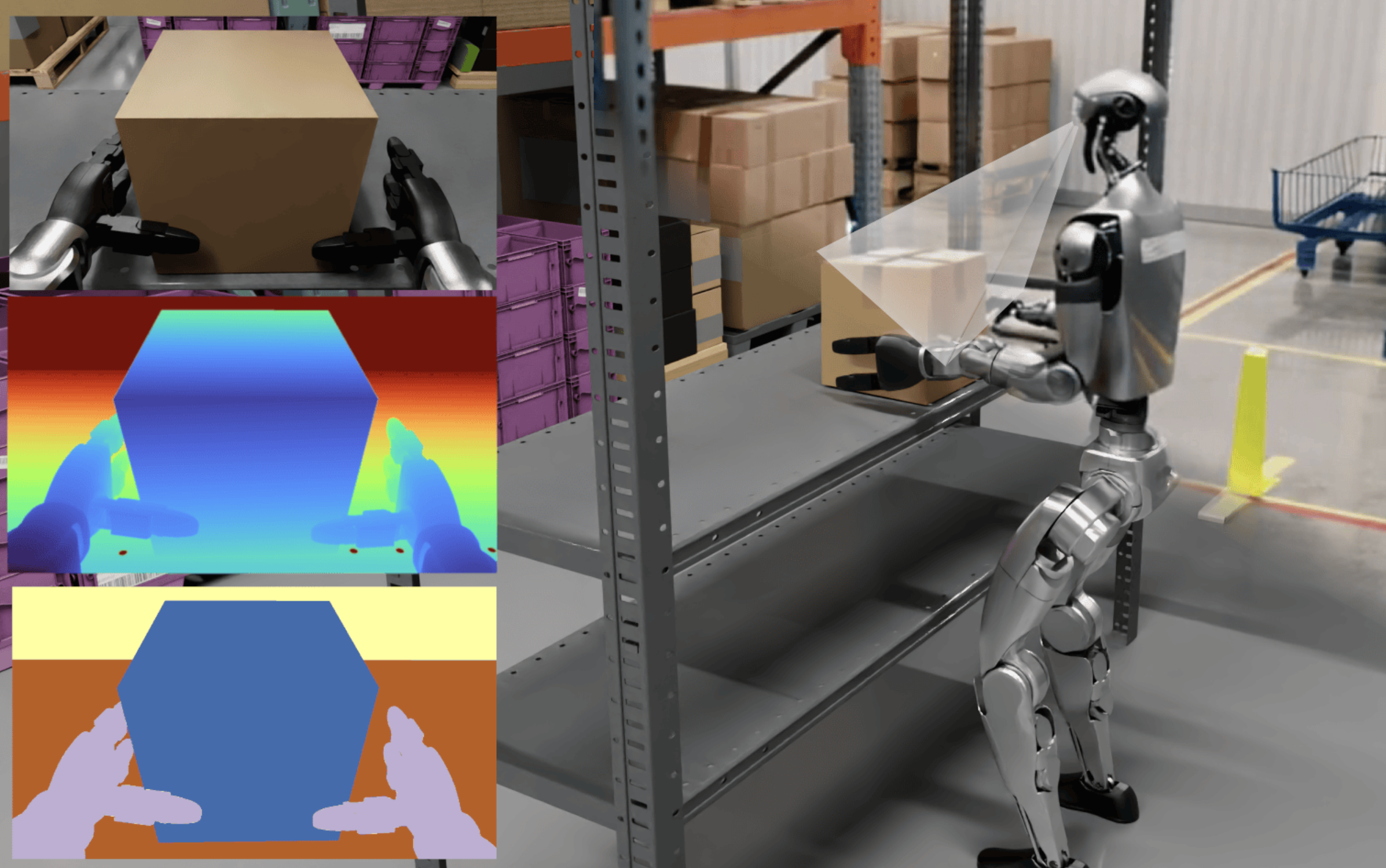
Isaac Lab: A GPU-Accelerated Simulation Framework for Multi-Modal Robot Learning
NVIDIA + me!
I helped introduce approaches for VLA post-training with IsaacLab!
Whitepaper
RobotFleet: An Open-Source Framework for Centralized Multi-Robot Task Planning
Rohan Gupta*, Trevor Asbery*, Zain Merchant*, Abrar Anwar, Jesse Thomason
RobotFleet is an open-source, extensible framework that introduces a centralized, modular autonomy stack to simplify scalable planning, scheduling, and execution for heterogeneous multi-robot fleets in open-world tasks.
Multi-Robot Systems Workshop @ RSS 2025.
ReWiND: Language-Guided Rewards Teach Robot Policies without New Demonstrations
Jiahui Zhang*, Yusen Luo*, Abrar Anwar*, Sumedh Sontakke, Joseph Lim, Jesse Thomason, Erdem Biyik, Jesse Zhaing
We design ReWiND rewards that use language-guided rewards to train bimanual arms on OOD tasks in 1 hour!
We use offline-to-online, lang-conditioned, visual RL on action-chunked transformers on a real robot and in simulation!
CoRL 2025 (Oral Presentation)
RoboReps Workshop @ RSS 2025 (Best paper nominee)
OOD Workshop @ RSS 2025 (Best paper)
RoboReps Workshop @ RSS 2025 (Best paper nominee)
OOD Workshop @ RSS 2025 (Best paper)
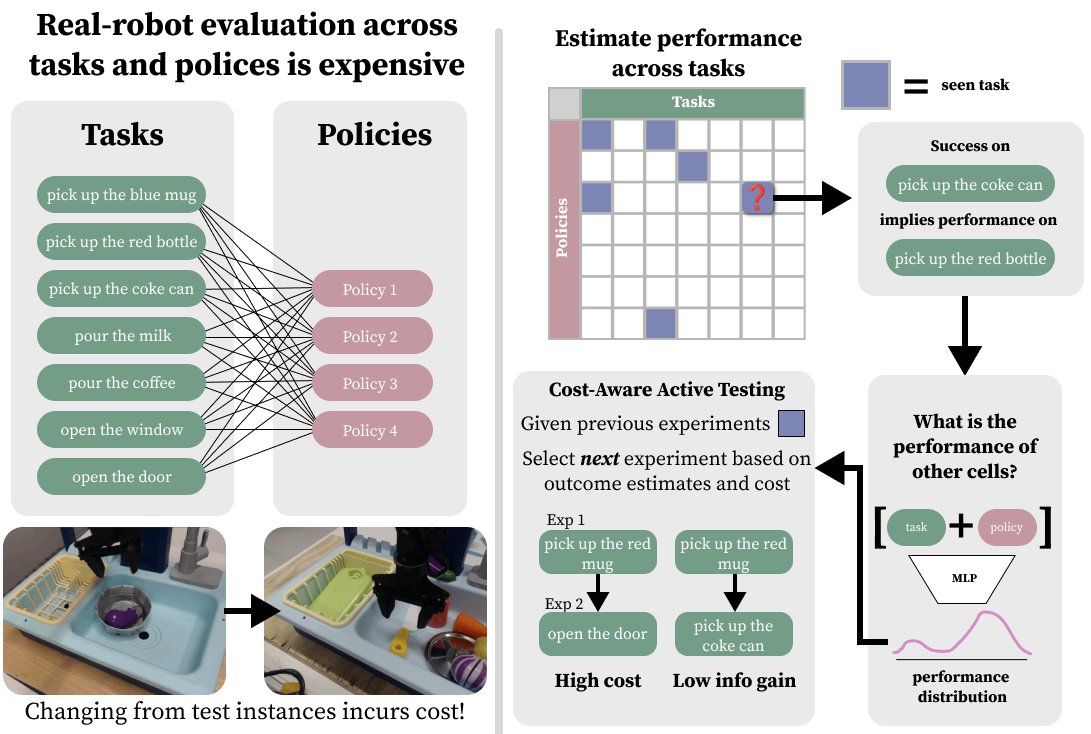
Efficient Evaluation of Multi-Task Robot Policies With Active Experiment Selection
Abrar Anwar*, Rohan Gupta, Zain Merchant, Sayan Ghosh, Willie Neiswanger, Jesse Thomason
The space of language commands a robot can execute grows combinatorially with scene complexity. Evaluating a robot on this large domain is impractical + takes time, so we introduce contrast sets for robots to make small perturbations to test instances. This leads to good test set estimation and less experimenter effort.
CoRL 2025
RobotEvaluation Workshop @ RSS 2025
RobotEvaluation Workshop @ RSS 2025
ReMEmbR: Building and Reasoning Over Long-Horizon Spatio-Temporal Memory for Robot Navigation
Abrar Anwar*, John Welsh, Joydeep Biswas, Soha Pouya, Yan Chang
To tackle long-horizon spatio-temporal memory, we introduce a retrieval-based approach for building and reasoning over memory.
We show improved performance on planning and embodied question answering given a long video history.
ICRA 2025
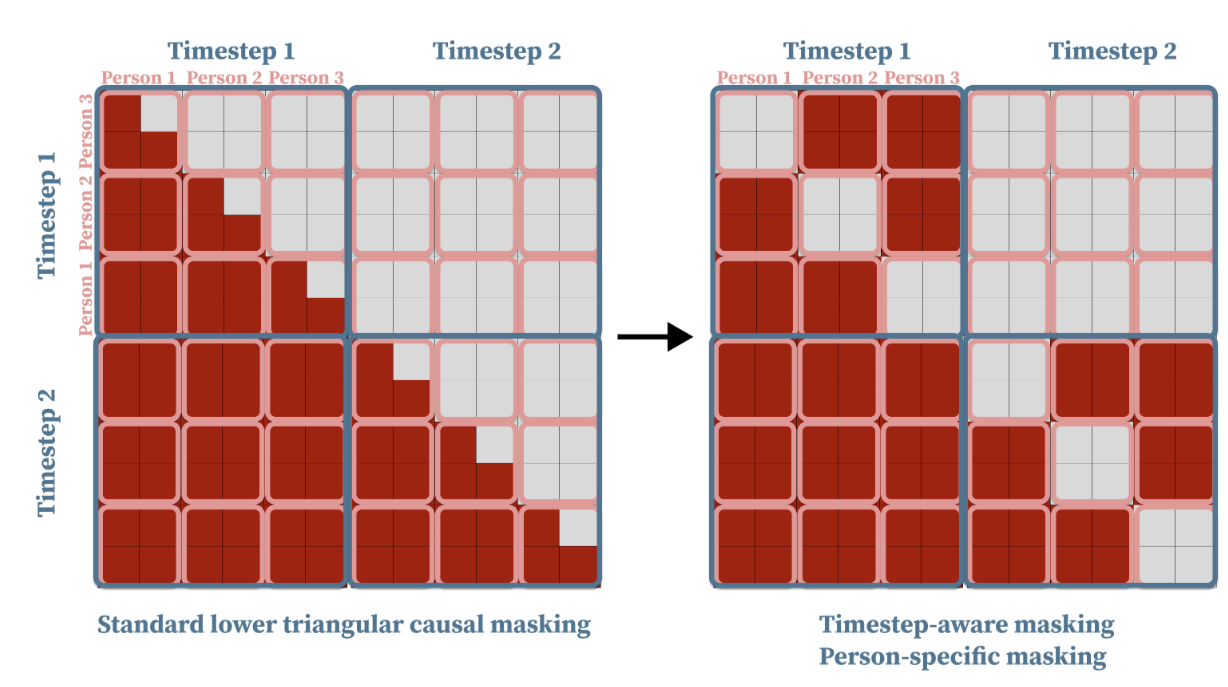
M3PT: A Transformer for Multimodal, Multi-Party Social Signal Prediction with Person-aware Blockwise Attention
Yiming Tang, Abrar Anwar, Jesse Thomason
M3PT is a causal multimodal transformer that jointly models social signals across multiple participants and modalities, improving prediction of behaviors like speaking and bite timing in multi-party human interactions.
Nonverbal Cues Workshop @ ICRA 2025 (Best paper)
2024
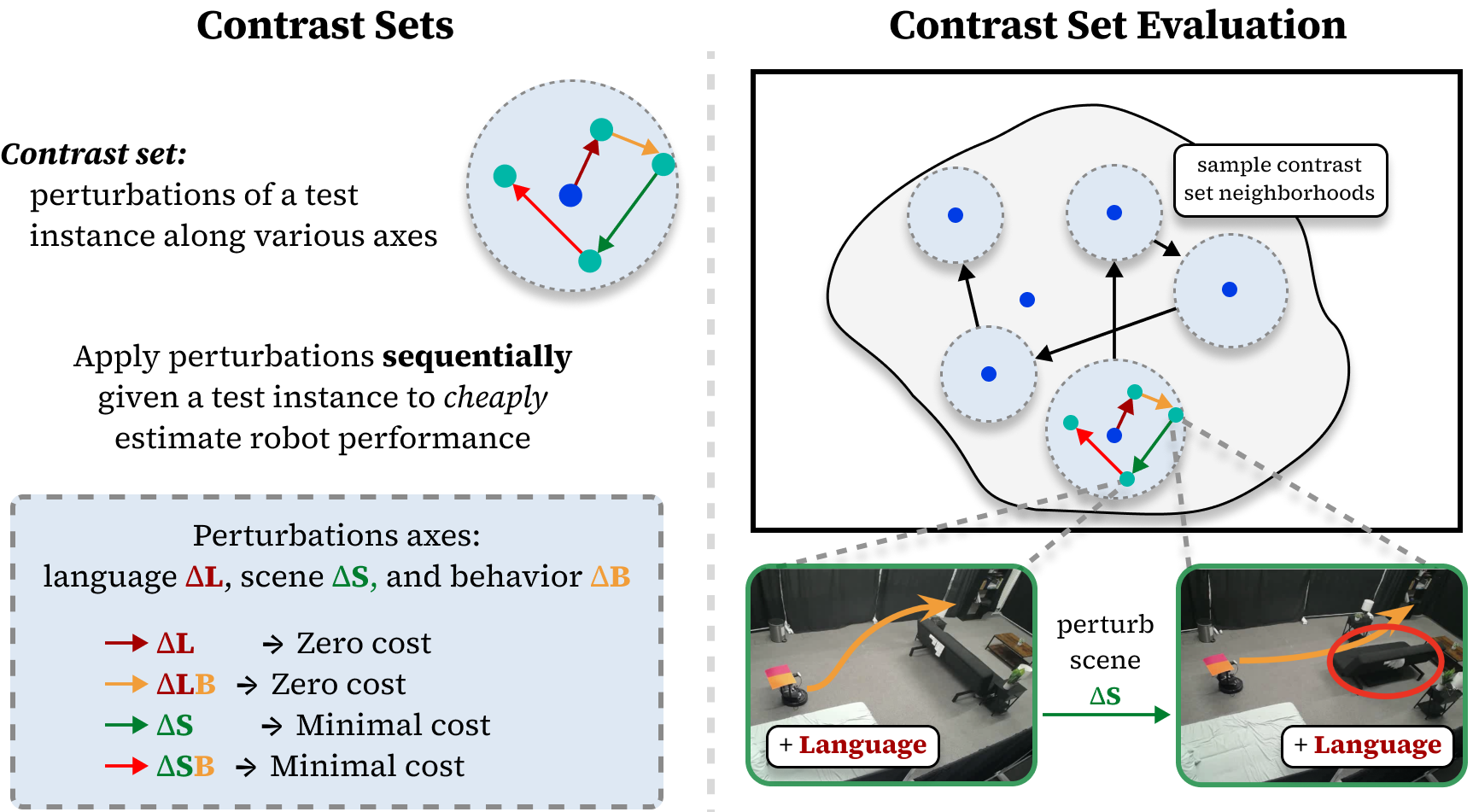
Contrast Sets for Evaluating Language-Guided Robot Policies
Abrar Anwar*, Rohan Gupta*, Jesse Thomason
The space of language commands a robot can execute grows combinatorially with scene complexity. Evaluating a robot on this large domain is impractical + takes time, so we introduce contrast sets for robots to make small perturbations to test instances. This leads to good test set estimation and less experimenter effort.
CoRL 2024
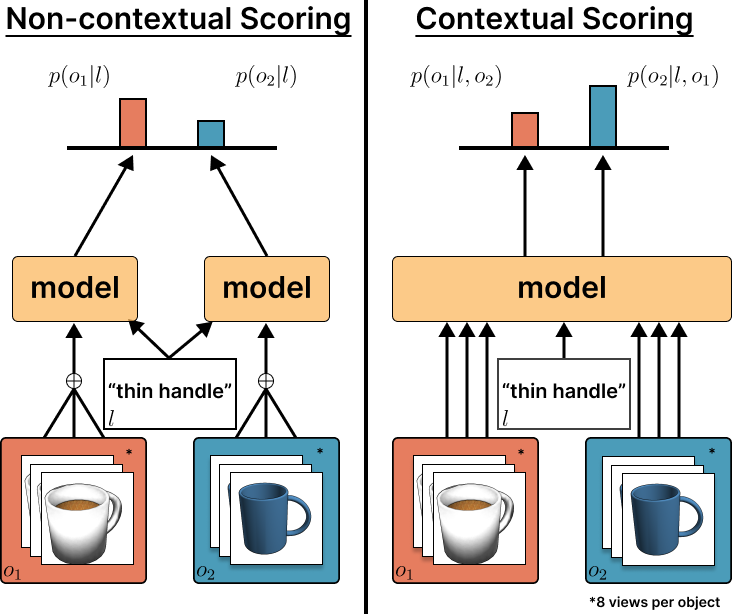
Which One? Leveraging Context Between Objects and Multiple Views for Language Grounding
Chancharik Mitra*, Abrar Anwar*, Rodolfo Corona, Dan Klein, Trevor Darrell, Jesse Thomason
We present the MAGiC model which selects an object referent based on language meant to distinguish between two similar objects by reasoning over both objects from multiple vantage points.
NAACL 2024
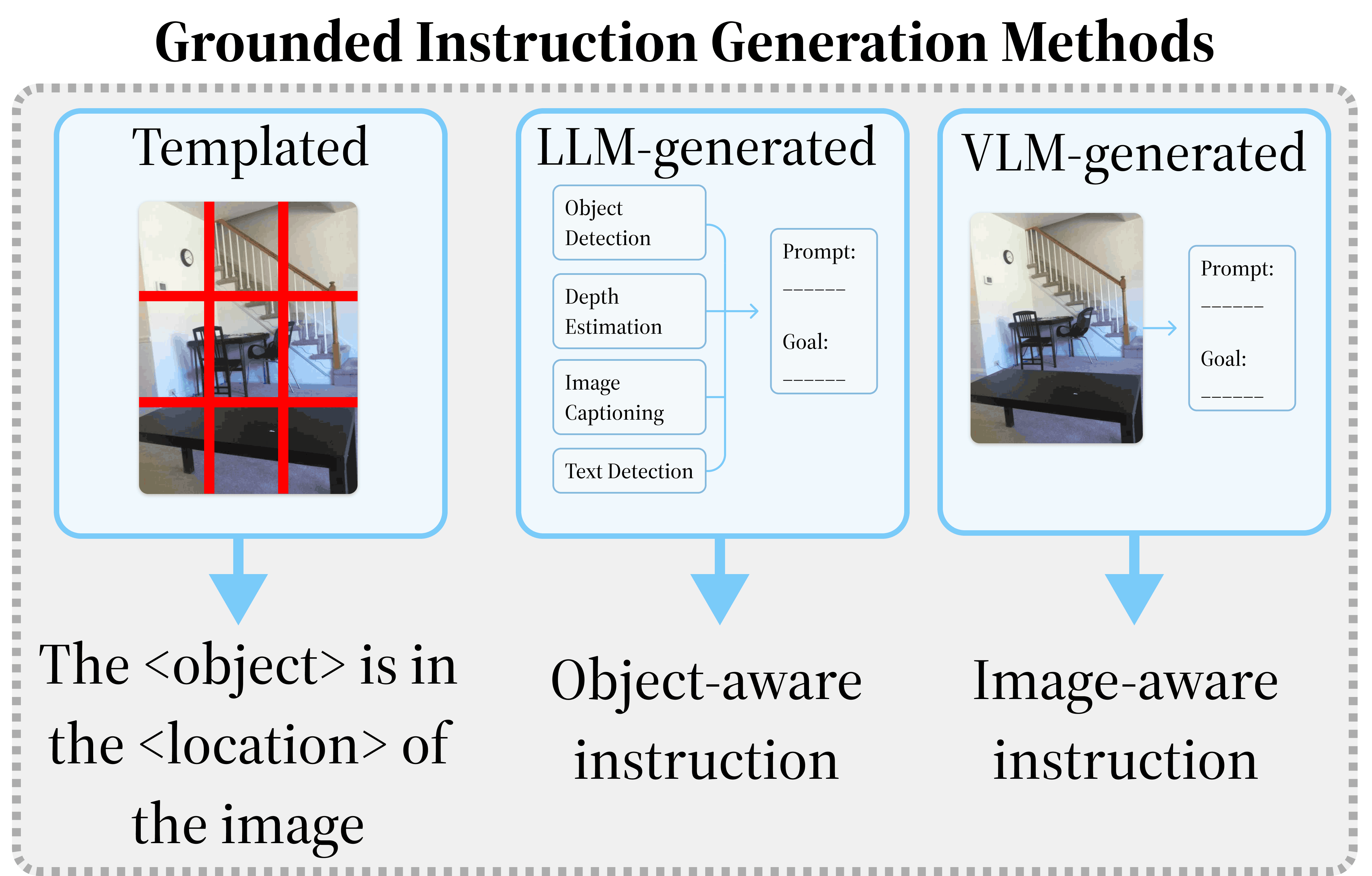
Generating Contextually-Relevant Navigation Instructions for Blind and Low Vision People
Zain Merchant, Abrar Anwar, Emily Wang, Souti Chattopadhyay, Jesse Thomason
Navigating unfamiliar environments presents significant challenges for blind and low-vision (BLV) individuals. We investigate how grounded instruction generation methods can provide contextually-relevant navigational guidance to BLV users.
ROMAN 2024 Late Breaking Report (LBR)
ROMAN 2024 Interactive AI Workshop (Best paper)
ROMAN 2024 Interactive AI Workshop (Best paper)
Feel the Bite: Robot-Assisted Inside-Mouth Bite Transfer using Robust Mouth Perception and Physical Interaction-Aware Control
Rajat Jenamani, Daniel Stabile, Ziang Liu, Abrar Anwar, Katherine Dimitropoulou, Tapomayukh Bhattacharjee
We design a system to feed people with disabilities in their mouth using real-time mouth perception and tactile-informed control.
HRI 2024. (Best paper nominee)
2023
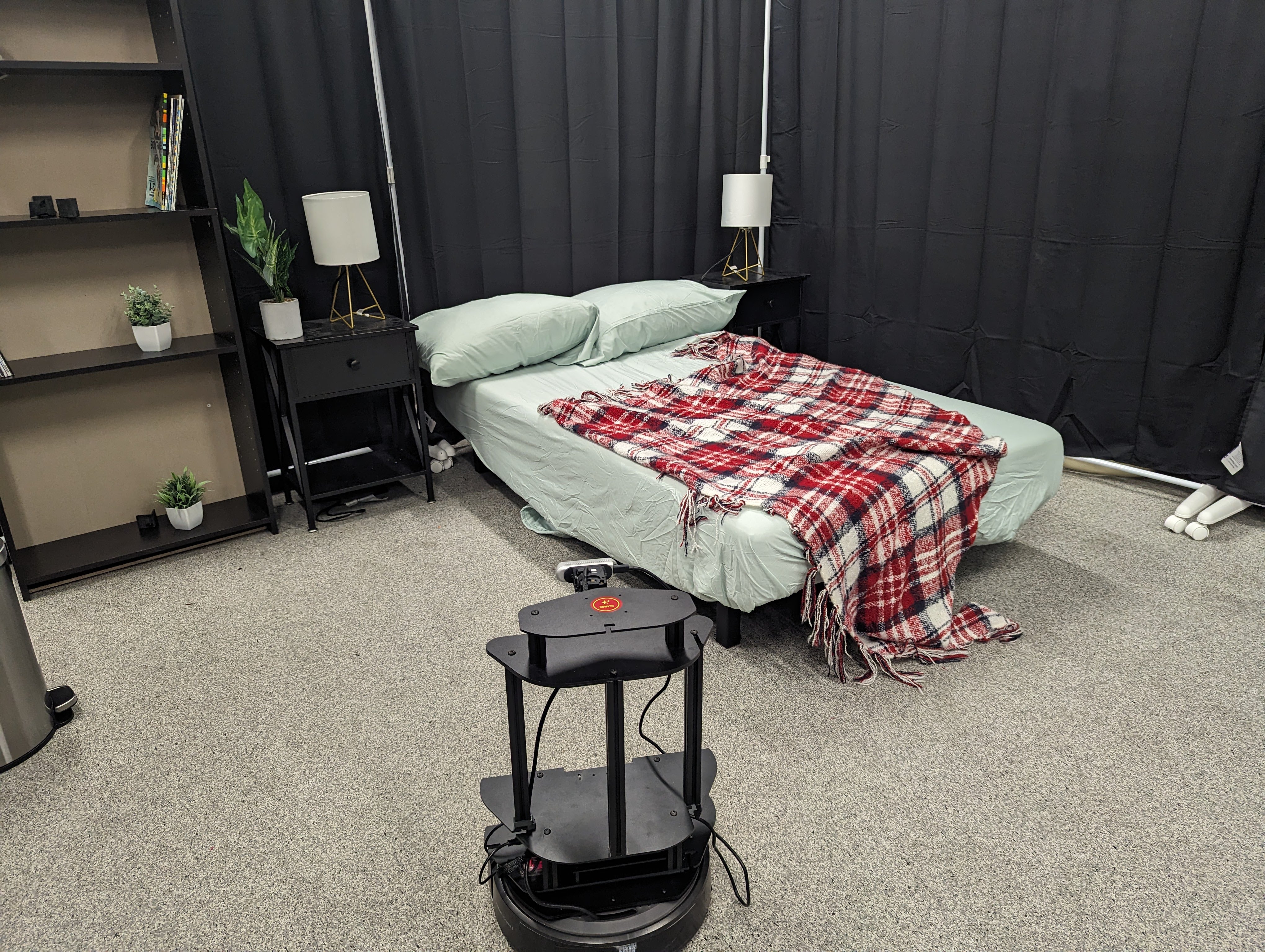
Exploring Strategies for Efficient VLN Evaluation
Abrar Anwar*, Rohan Gupta*, Elle Szabo, Jesse Thomason
Evaluation in the real world is often time-consuming and expensive, so we propose a targeted contrast set-based evaluation strategy to efficiently evaluate the linguistic and visual capabilities of an end-to-end VLN policy.
Workshop on Language and Robot Learning (LangRob) @ CoRL 2023. (Oral Presentation)
2022
Human-Robot Commensality: Bite Timing Prediction for Robot-Assisted Feeding in Groups
Jan Ondras*, Abrar Anwar*, Tong Wu*, Fanjun Bu, Malte Jung, Jorge Jose Ortiz, Tapomayukh Bhattacharjee
We develop data-driven models to predict when a robot should feed during social dining scenarios.
We build a dataset of human-human commensality, develop novel models to learn social dynamics of when to feed, and conduct a human-robot commensality study.
CoRL 2022
2021
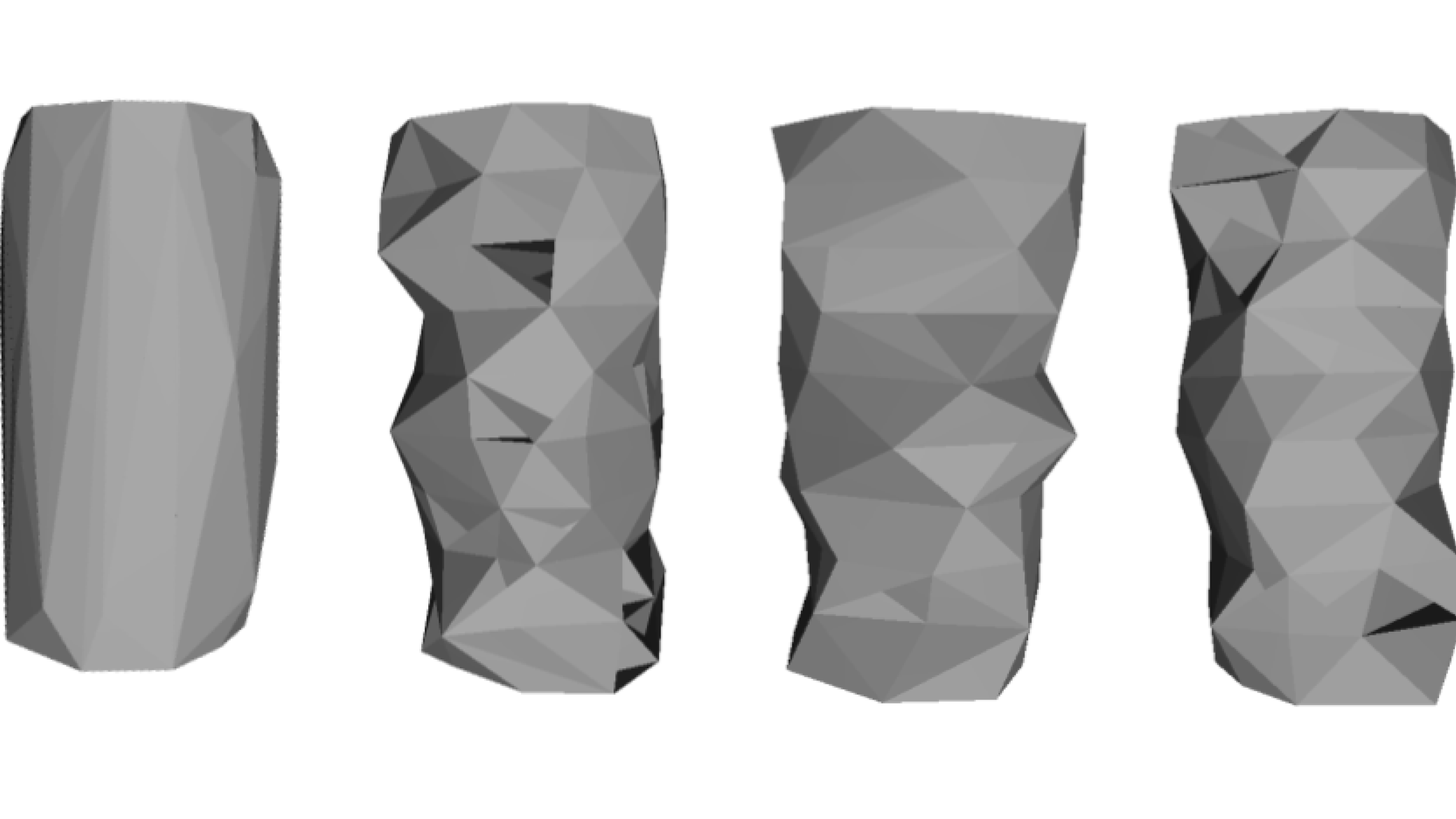
Deep Reinforcement Learning for Optimal Refinement of Cross-Sectional Mesh Sequence Finite Elements
Abrar Anwar
Developed the first deep reinforcement learning framework for mesh refinement and refined “good” quality surface reconstructions of cross-sectional contours using soft-actor critic
Honors Thesis, 2021
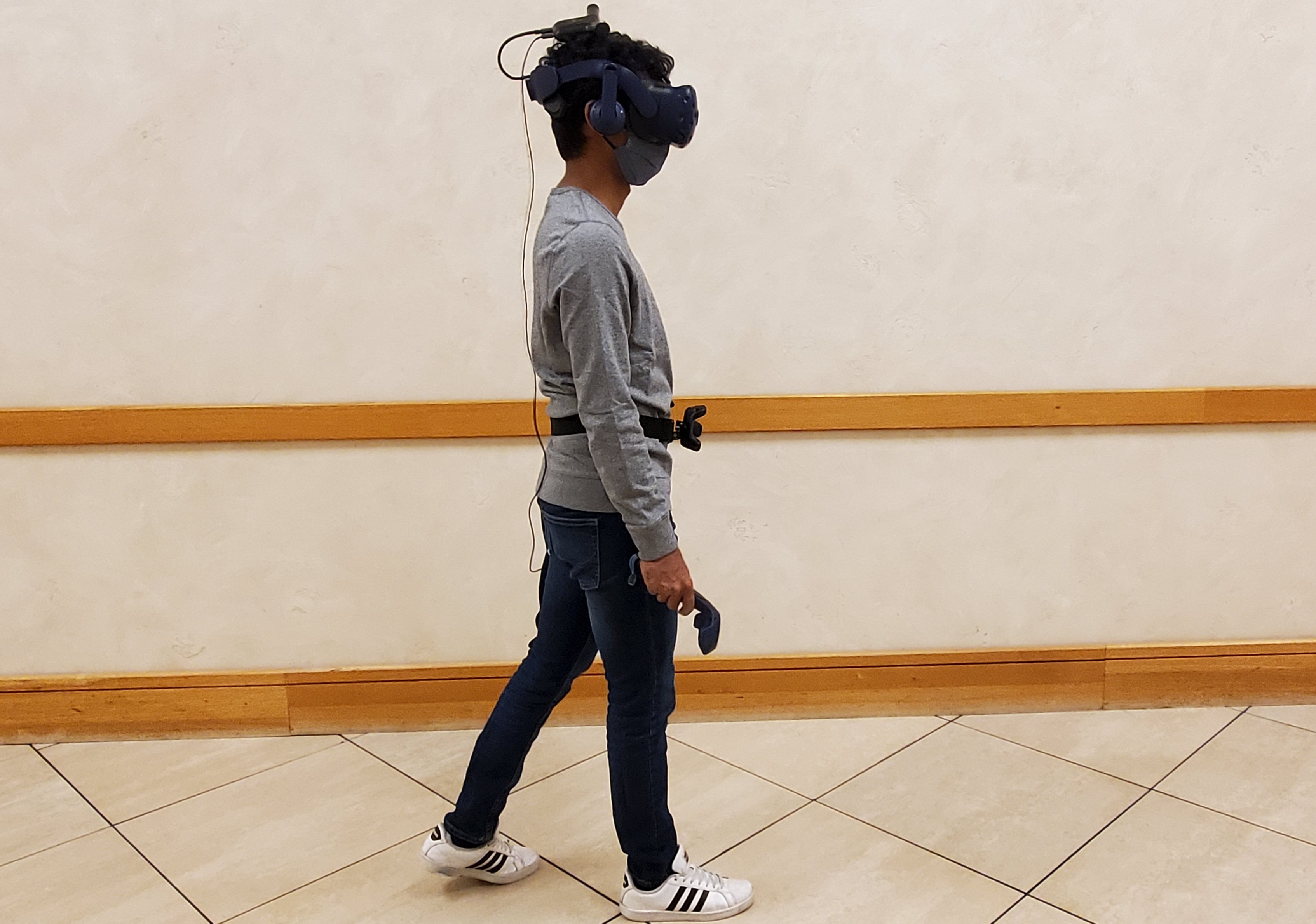
Watch Where You're Going! Gaze and Head Orientation as Predictors for Social Robot Navigation
Blake Holman, Abrar Anwar, Akash Singh, Mauricio Tec, Justin Hart, Peter Stone
We leverage virtual reality to collect gaze and position data to create a predictive model and a mixed effects model to show gaze orientation precedes other features
ICRA 2021
2020
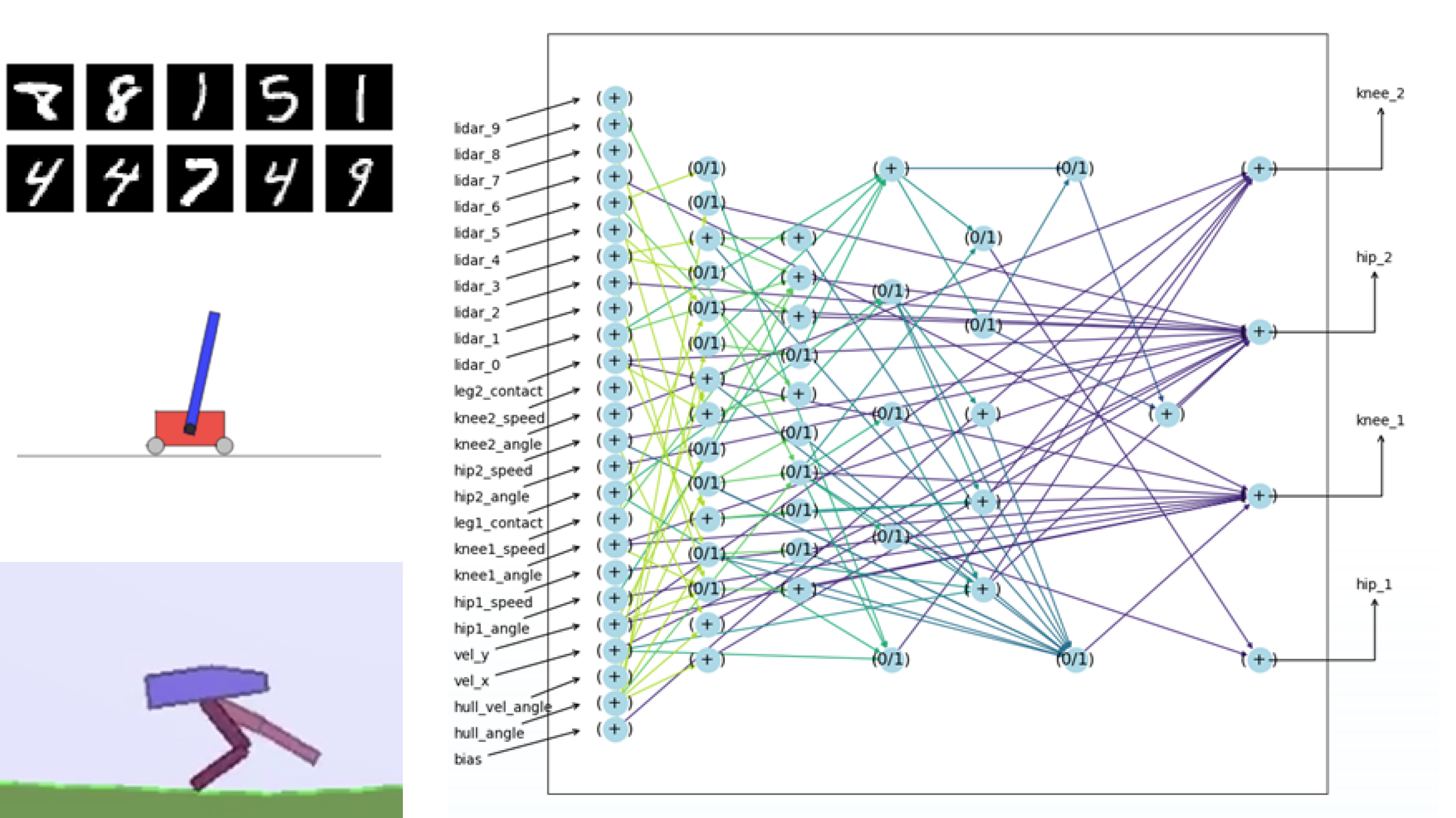
Evolving Spiking Circuit Motifs using Weight Agnostic Neural Networks.
Abrar Anwar, Craig Vineyard, William Severa, Srideep Musuvathy, Suma Cardwell
An evolutionary, weight agnostic method is used to generate spiking neural networks used for classification, control, and various other tasks
AAAI-21 Undergraduate Consortium , 2021
Computer Science Research Institute Summer Proceedings, 2020
International Conference on Neuromorphic Systems 2020 (poster)
Computer Science Research Institute Summer Proceedings, 2020
International Conference on Neuromorphic Systems 2020 (poster)
2019
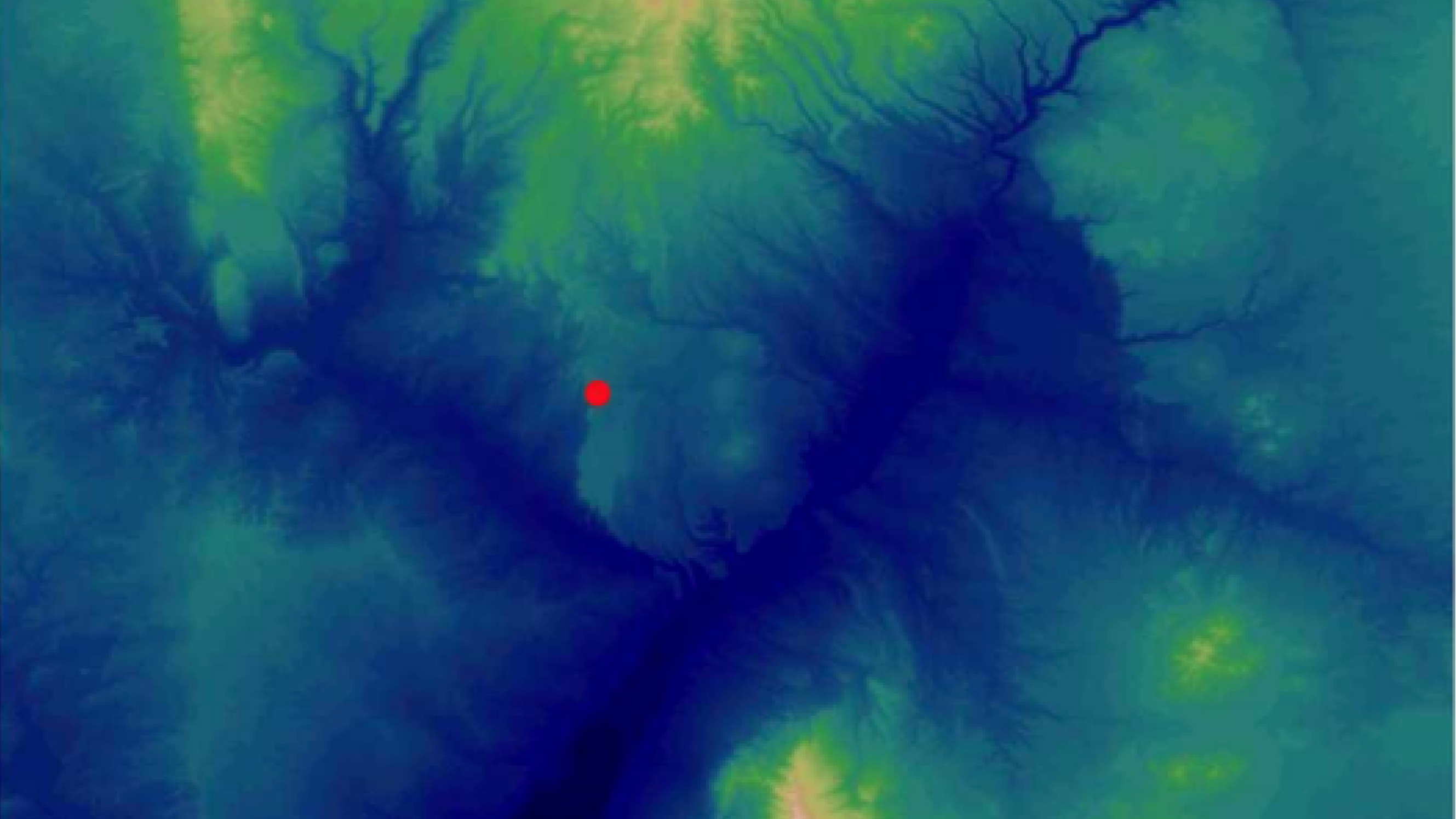
BrainSLAM: Robust autonomous navigation in sensor-deprived contexts
Felix Wang, James B. Aimone, Abrar Anwar, Srideep Musuvathy.
We explore using brain-inspired approaches to navigation and localization in a noisy, data-sparse environment for a hypersonic glide vehicle. Rotation invariant feature representations are used to increase accuracy and reduce map storage
Sandia National Labs Technical Report, 2019
Talks
Mar 2026
Efficient Evaluation of Multi-Task Robot Policies with Active Experiment Selection
Invited talk, UT Austin Robot Learning Reading Group
Feb 2025
Memory, Learning, and Evaluating Language-Guided Robots
Invited talk, Samsung Research America
Jan 2025
Invited panelist
Dennis Washington Leadership Scholarship Reception, Palm Desert, CA
Dec 2024
Building and Evaluating Language-Guided Robots
Invited talk, USC Theta Tau
Nov 2024
Building and Evaluating Language-Guided Robots
Guest lecture, USC CSCI 444 Natural Language Processing
Oct 2024
Invited talk, NVIDIA Jetson AI Lab
Sept 2022
Human-Robot Commensality: Bite Timing Prediction for Robot-Assisted Feeding in Groups
SoCal Robotics Symposium
July 2020
Evolving Spiking Circuit Motifs using Weight Agnostic Neural Networks
ACM International Conference on Neuromorphic Systems (ICONS)